




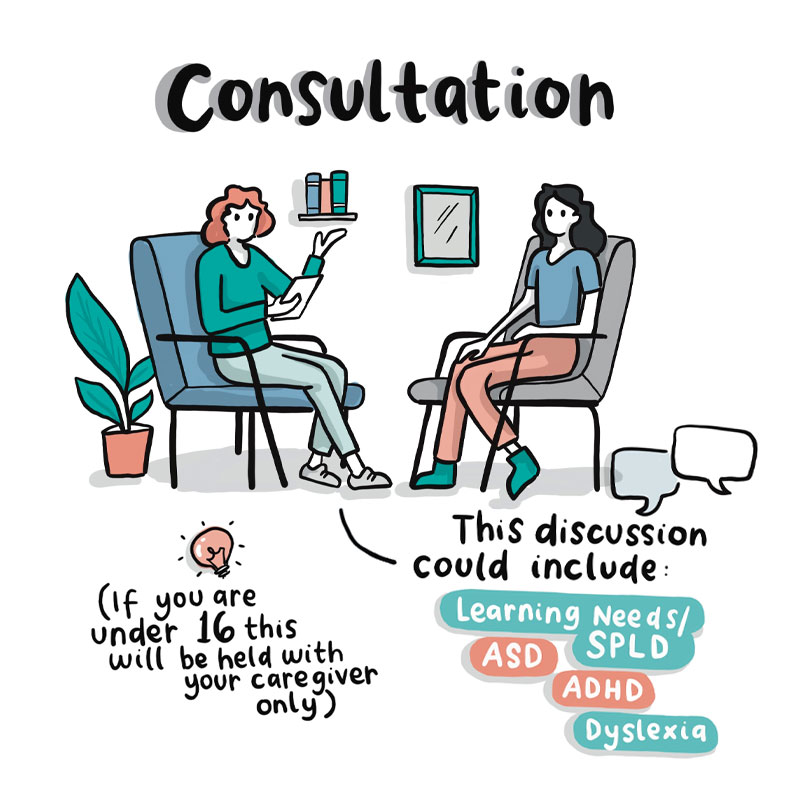

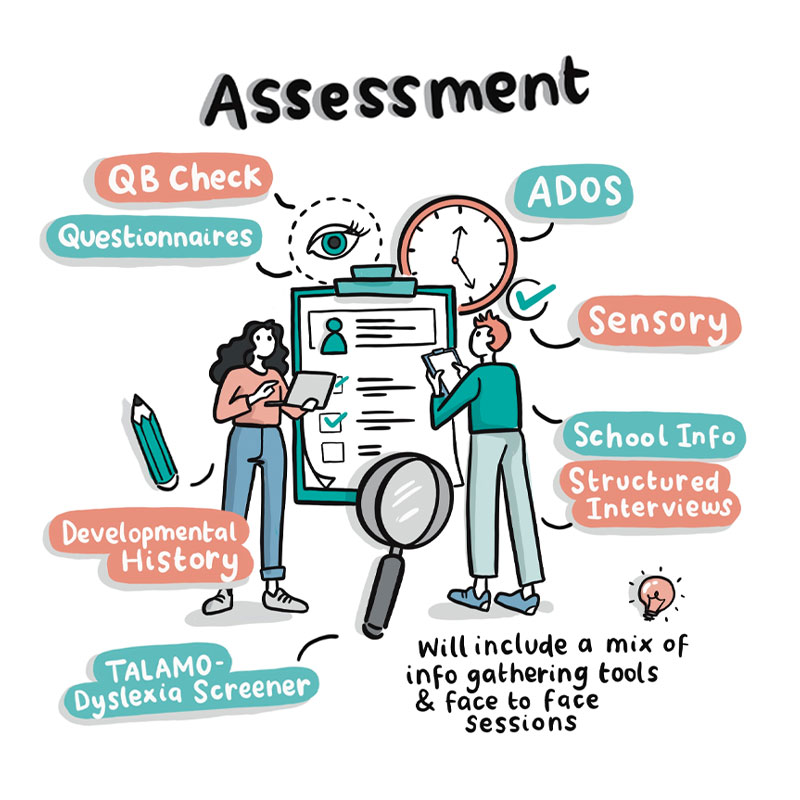
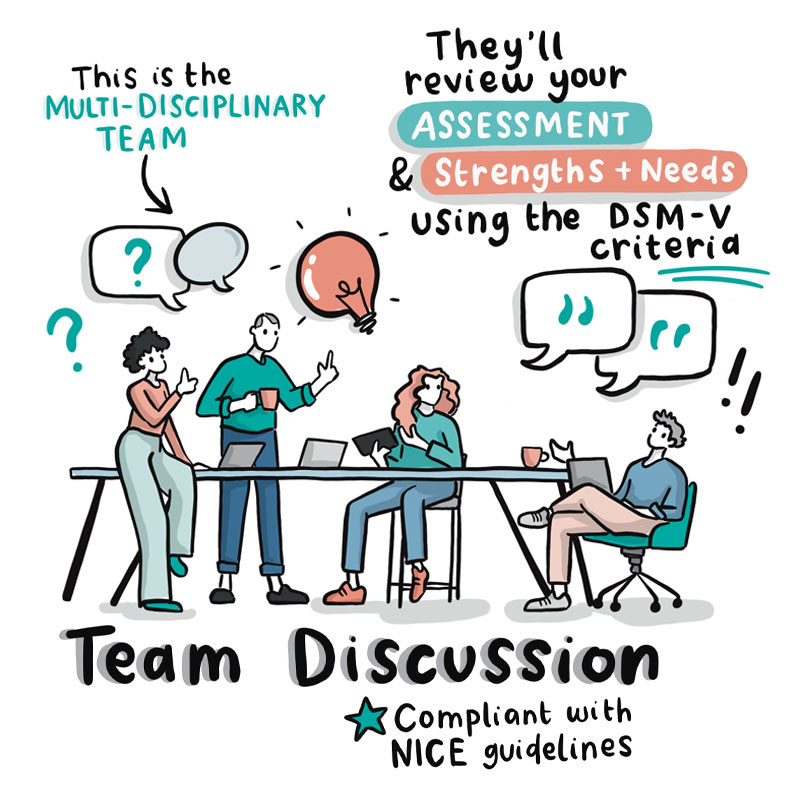
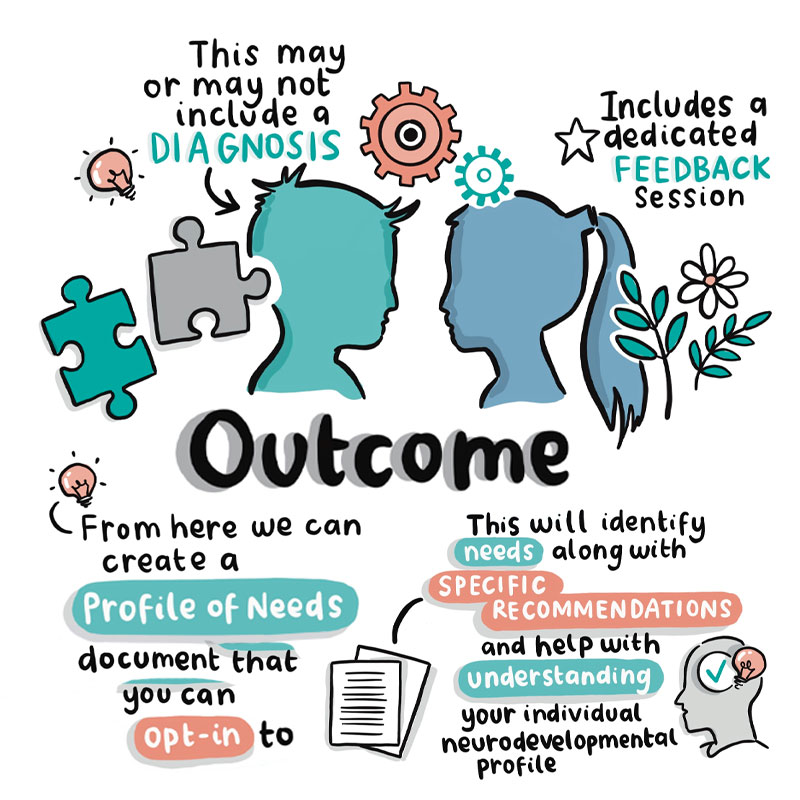
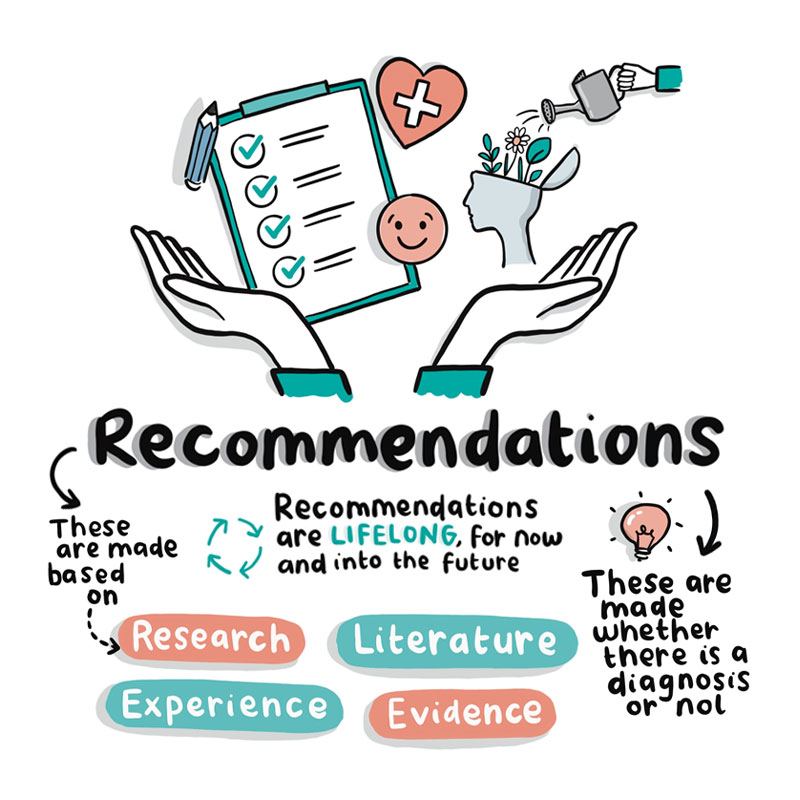
AuDHD refers to the co-occurrence of Autism and ADHD, creating a unique neurotype that is more than the sum of both. Individuals with AuDHD are often passionate, creative, and innovative thinkers, with strong problem-solving abilities, heightened empathy, and the capacity for deep hyperfocus. At the same time, they may face internal contradictions such as craving routine while struggling with impulsivity, experience sensory sensitivities and emotional regulation difficulties, and encounter challenges with executive function, social energy, and managing cycles of burnout and hyperactivity.



Autism is a lifelong neurodevelopmental difference that influences social communication, sensory processing, and patterns of thinking and behaviour. Autistic individuals often show deep focus, strong attention to detail, and creative problem-solving, with the capacity to develop expertise in areas of interest. At the same time, they may find interpreting social cues, adapting to change, and managing social expectations challenging, and can experience heightened anxiety linked to sensory sensitivities or unpredictable interactions.





Attention Deficit Hyperactivity Disorder (ADHD) is a lifelong neurodevelopmental difference that affects attention, impulse control, and activity levels. People with ADHD are often highly creative, spontaneous, and capable of intense hyperfocus on engaging tasks, with strong problem-solving abilities and insight into human behaviour and patterns. Challenges may include difficulties with sustained attention on less stimulating tasks, time management, organisation, working memory, and emotional regulation. Hyperactivity may be physical, mental, or verbal, and some individuals experience Rejection Sensitivity Dysphoria – an intense response to perceived criticism or rejection.





Dyslexia is a specific learning difference that primarily affects reading, writing, and spelling, while not impacting intelligence. Many individuals with dyslexia demonstrate strong problem-solving abilities, creativity, verbal skills, and visual thinking, often excelling in storytelling, innovation, and practical, hands-on learning. Challenges typically involve reading fluency, spelling accuracy, and processing written information, alongside potential difficulties with working memory, following written instructions, or feeling confident in literacy-focused academic environments.
Dyscalculia is a specific learning difference that primarily affects numerical understanding and mathematical reasoning. Individuals with dyscalculia often excel in creative pursuits, strategic thinking, and verbal communication, with strengths in pattern recognition and conceptual problem-solving. Challenges may include difficulties with number sense, mental calculations, time management, quantity estimation, and handling money, as well as impacts on spatial awareness and sequencing that can make directions and organisation harder to manage.
Cognition and Learning Needs refer to difficulties with acquiring, processing, or applying new information, which can affect academic progress and everyday problem-solving. While not always linked to a specific learning difference such as dyslexia or dyscalculia, these needs can still impact learning and confidence. Individuals may show resilience, adaptability, and creativity, often excelling in practical, hands-on approaches. Challenges can include slower processing speed, memory and recall difficulties, challenges with comprehension, organisation, and written expression, which may influence engagement and achievement.
Assessments help to identify these barriers and provide tailored recommendations for effective support and intervention.








Language is central to how we connect, learn, and express ourselves, and understanding a person’s language profile helps us build a clearer picture of their overall strengths and challenges. This ensures our recommendations are accurate, meaningful, and tailored to individual needs.
Many neurodivergent young people experience difficulty with language. Developmental Language Disorder (DLD) is a lifelong neurodevelopmental difference that affects understanding and/or use of spoken language, rooted in how the brain processes language rather than hearing loss, general learning difficulties, or lack of exposure. It can impact vocabulary, grammar, and sentence construction, as well as the ability to express and organise thoughts. Many individuals with DLD build strong problem-solving and non-verbal communication skills, often excelling in creativity, visual learning, and practical tasks. Challenges may include difficulties following instructions, learning new vocabulary, expressing ideas, and understanding complex language, which can affect confidence, social interaction, and academic progress. With early identification and tailored support, individuals with DLD can thrive and reach their full potential.
Research suggests that around 63% of children diagnosed with autism also experience language difficulties, meaning a language assessment can be key in teasing apart overlapping signs and ensuring no needs are overlooked.
At Neurodivergent Perspectives we recognise that neurodivergence can present differently across genders and is further shaped by each individual’s lived experience. We understand that no two people experience neurodivergence in the same way, which is why our assessments are highly personalised and nuanced. We have particular expertise in recognising masking and camouflaging behaviours, which can make identification more complex, and we explore these carefully to ensure each person’s strengths, challenges, and ways of navigating the world are fully understood. Our approach provides a thorough and compassionate understanding of each individual’s unique neurotype and lived experience.
ARFID is a diagnosable eating disorder involving significant restriction in the volume or variety of food eaten, which can lead to nutritional deficiencies or reliance on supplements, weight loss, restrictions in psychosocial functioning and negative impact on growth. Unlike other eating disorders such as anorexia or bulimia, ARFID is not driven by body image concerns or deliberate attempts to lose weight. Our multi-disciplinary team are ideally placed to assess and diagnose ARFID which often co-occurs with autism and sensory needs. We explore eating behaviours holistically and in a neuroaffirming way, ensuring accurate, evidence-based understanding of each individual’s needs. There are 3 main assessment pathways for ARFID: